🇫🇷 Version française · 🇪🇸 Español
🎃 Halloween special: play the Halloween quiz →
🎄 Christmas special: play the Christmas quiz →
🎆 New Year special: play the New Year quiz →
Free Mythology quiz: 97 trivia questions and answers — Greek, Norse and Egyptian Gods. Easy to hard, with explained answers. No sign-up.
Start this quiz →🖨️ Printable version (20 questions + answers)
From Greek Olympus to ancient Egypt, by way of Mesopotamia, this quiz explores the gods, heroes and legendary punishments of the world's great mythologies. A fun way to (re)discover these foundational stories.
This quiz currently has 97 questions, ranging from easy to hard, available in French, English and Spanish when the Spanish translation is available.
Warm up before the quiz with these 19 trivia questions and their explained answers: click a question to reveal the answer.
Answer: Dreams. Morpheus, god of dreams, took human form to appear to sleepers. To be 'in the arms of Morpheus' means to be asleep.
Answer: Cerberus. Cerberus is the monstrous dog of Hades, guarding the entrance to the underworld to prevent the dead from leaving.
Answer: Sisyphus. Sisyphus, king of Corinth, had deceived the gods repeatedly, even chaining Death to avoid dying. Zeus condemned him to push a boulder forever up a hill in the Underworld, from which it inexorably rolls back, for eternity.
Answer: Mars. Mars is the Roman god of war, considered the protector of the Roman people.
Answer: The cat. Bastet is the cat goddess, protector of the home and family.
Answer: Prometheus. His liver grew back each night, for endless torment. A surprising detail: the liver really is one of the few human organs able to partly regenerate.
Answer: The Minotaur. Theseus defeated it, then found his way out thanks to the thread Ariadne had given him. An 'Ariadne's thread' still means something that guides you through a complicated situation.
Answer: Cassandra. She foretold the fall of Troy and warned against the wooden horse, in vain. A 'Cassandra' is still someone who predicts disaster without being listened to.
Answer: Ariadne. Hence the expression "Ariadne's thread". Theseus nevertheless later abandoned her on the island of Naxos.
Answer: His mother dipped him in the Styx holding him by the heel. Thetis wanted to make her son invulnerable; only the heel she held him by stayed dry. Paris struck him there with an arrow during the Trojan War.
Answer: Hypnos. Morpheus is the son of Hypnos, god of sleep. His name gave us the word 'morphine'.
Answer: Tlaloc. Tlaloc is the god of rain, lightning and earthquakes. He was one of the most venerated and oldest gods in central Mexico.
Answer: Xolotl. Xolotl is the Aztec dog-god, twin of Quetzalcoatl. He guided the souls of the dead through the nine levels of the Mictlan. The hairless Mexican dog breed, the xoloitzcuintli, is named after him.
Answer: Ganesh. Ganesh (or Ganesha) is one of the most worshipped deities in Hinduism. Recognisable by his elephant head, he is the god of wisdom, intelligence and success. He is invoked at the start of any new venture to clear away obstacles.
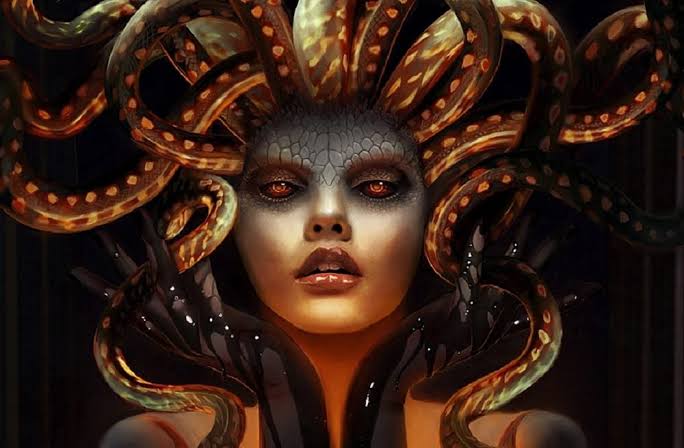
Answer: Perseus. Perseus defeated Medusa by looking at her reflection in a polished shield to avoid being turned to stone by her gaze.
Answer: Horus. Horus, son of Isis and Osiris, is the sky god and protector of living pharaohs.
Answer: Thunder. Taranis is the Celtic god of the sky, thunder and lightning.
Answer: The Undine. Undines are elemental water spirits living in springs, fountains and rivers.
Answer: Sobek. In Crocodilopolis, sacred crocodiles were kept adorned with jewellery and mummified when they died.
78 more questions are waiting for you in the quiz!