🇫🇷 Version française · 🇪🇸 Español
🎃 Halloween special: play the Halloween quiz →
🎄 Christmas special: play the Christmas quiz →
🎆 New Year special: play the New Year quiz →
Free Logo quiz: 70 trivia questions and answers — secrets of famous logos. Easy to hard, with explained answers. No sign-up.
Start this quiz →🖨️ Printable version (18 questions + answers)
From Apple's bitten apple to the hidden arrow in the FedEx logo, by way of the bear hidden in the Toblerone mountain and Airbnb's Bélo, this quiz explores the symbols, colors and hidden messages behind the world's most famous logos. Can you recognize them all?
This quiz currently has 70 questions, ranging from easy to hard, available in French, English and Spanish when the Spanish translation is available.
Warm up before the quiz with these 14 trivia questions and their explained answers: click a question to reveal the answer.
Answer: A panda. The giant panda was chosen in 1961 for its strong appeal and because it reproduces cheaply in black and white.
Answer: A rooster. The rooster is linked to Gaul by a Latin pun: 'gallus' means both rooster and Gaul. The brand, founded in 1882 near Troyes, has kitted out many French national teams.
Answer: A star. A symbol of medieval brewers, the star was supposed to protect the beer. A fun detail: the 'e's in the logo are tilted to look like they are smiling.
Answer: A diamond (rhombus). Adopted in the 1920s, it reportedly first let the sound of the horn behind the grille through. It has been redesigned several times, most recently in a flat version.
Answer: 'Play well', from the Danish leg godt. Founder Ole Kirk Christiansen first made wooden toys. By coincidence, 'lego' also means 'I assemble' in Latin.
Answer: From Hans Riegel, Bonn. Hans Riegel founded the company in 1920 in his town of Bonn. His famous gummy bears appeared as early as 1922.
Answer: Land, sea and air. The three-pointed star symbolizes Mercedes' ambition to power vehicles on land, sea and air.
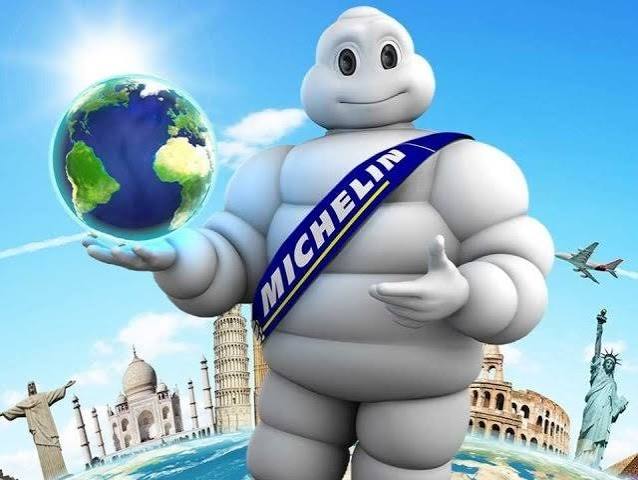
Answer: Bibendum. Bibendum, created in 1898, owes its name to the Latin motto 'Nunc est bibendum' ('now is the time to drink').
Answer: Because these six colors, in combination, could represent the flag of every participating nation. Contrary to popular belief, the five interlocking rings symbolize the union of participating continents, but the colors chosen in 1913 were not each assigned to a specific continent: combined with the white background, they covered nearly every national flag of the time.
Answer: The Bic Boy. Drawn in 1961 by Raymond Savignac, he holds a pen behind his back. His round head recalls the ballpoint that made the fortune of Baron Bich… who simplified his name by dropping the 'h'.
Answer: $35. Founder Phil Knight wasn't thrilled at first. Years later, the brand thanked her with a gold ring featuring the swoosh and company shares.
Answer: Pepsi-Cola. Caleb Bradham renamed it in 1898: the name is thought to evoke pepsin or dyspepsia, as the drink was marketed as a digestive aid.
Answer: From its founder's nickname and surname, Adi Dassler. Adolf 'Adi' Dassler fell out with his brother Rudolf, who founded Puma across the river in the same small town of Herzogenaurach. The sporty acronym is just a legend.
Answer: A Finnish town and river. The company, founded in 1865, first made wood pulp, then rubber boots and cables, before becoming a mobile phone giant.
56 more questions are waiting for you in the quiz!